
Diet is a quintessential part of maintaining good health. As a family unit, it makes sense to ensure that the diet consumed is well balanced and in accordance with the nutritional requirements of the individuals of the family. Developing good eating habits as children, can help maintaining good eating habits as an adult. While it is not easy to convince children to give up their sugary treats, it would be prudent to explain to them exactly what a well- balanced diet should contain.
Basic knowledge of the components of food such as carbohydrates, proteins, fats, fiber, vitamins and minerals should be made available in an easy- to- understand manner. No one wants to be preached at, instead it would be more beneficial to explain how each component helps or hinders the body. Children are much more likely to do what is right when they understand the reasoning behind the instructions being poured into their ears.
For instance, the building up of muscles and repairing of organs needs the consumption of proteins and amino acids. Asking a child to eat protein rich foods after explaining how it will help their body will make them much more agreeable to eating them. Also when you speak of the limited number of fats that the body truly needs and how it begins to store the excess calories in the body, it makes the children that much more amenable to reducing the amount of fried and fatty foods that they would eat.
Inculcating Healthy Eating Habits at a Young Age
There is a tendency to wean off babies from milk- based diets with pureed fruits such as apples and pears. Many young mothers pick up tins of miniature baby foods to supplement their milk without realizing the danger of preservatives and chemicals that get added to the child’s diet. This means that undesired artificial flavors are already entering the pure digestive system of the child before they can eat wholesome homemade food. Many infants’ digestive systems respond with indigestion because they can’t tolerate the chemicals they have ingested.
Even if these purees are made fresh at home and do not come out of a can, they teach the infants the taste of sweet before the taste of salt. What that does it attune them to picking up a sweet snack much more than a savory one in later years. Instead of pureed fruit, why not give them pureed vegetables such as carrots, broccoli, or pumpkin? These will also give roughage to the baby’s digestive system, and make them more accepting of the same vegetables when they show up on the child’s dinner plate in a few years’ time.
Lead Healthy Eating by Your Own Example
Children imitate what their parents do, not what their parents tell them to do. You can speak about all the wonders of a healthy soup for a snack, but if they see that you are eating a protein bar, and not drinking the soup, they will not want to drink the soup either. Children are inherently observant. They learn life skills and survival by closely observing how the adults around them behave. The mimic the words and actions of their parents often, which leads to amusement and at times frustration of a parent.
The truth is that in order for the children to eat healthy, they need to see the adults around them also eating healthy. If the father reaches for a banana instead of the candy bar for a snack, they will also not object to the banana being fed to them. If the mother eats her vegetables regularly before dessert, they will do so as well. This trait for mimicking their parents can become the foundation of initiating healthy eating habits for the full family. A little bit of self-discipline and some organization can ensure that the majority of your meals continue to be home cooked and healthy throughout the week.
Don’t Shut Down Other Experiences
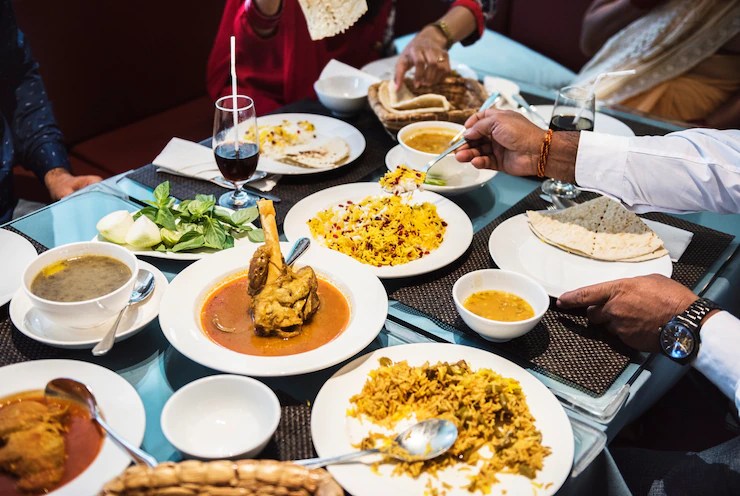
Eating out is normally not as healthy an alternative as eating homecooked food, however, your children will not be able to survive if they only meals they ever eat are ones made at home. Taking them out to restaurants and choosing healthy meal options there as well, allow them to understand how to make the best eating choices when they are not at home. Choosing more soups and salads, as opposed to burgers and fries, allows them to stay on a healthier diet plan.
That said, it is imperative that they know and taste the foods that are not healthy for them as well. Think of this as taking preventive measures to them getting addicted to sugar in the future. Sugary treats like ice creams and desserts should be made a monthly experience. Not like a reward for something, but more as an experiment in how unhealthy foods can be made to taste addictive. As long as the children know that these foods should always be eaten rarely and then too in moderation, they will continue to eat healthy meals even as they grow up.
 www.dilmilgaya.com